Common Brake Failures and What You Can Do About Them

Kirill Plyushko • September 9, 2022

Common Brake Failures and How to Fix Them | ABC Auto Repair Burien

Brake failures are no joke at best, they result in costly repairs. At worst, they can be fatal.

If you’ve ever felt your brake pedal sink to the floor, experienced loud grinding, or even seen smoke coming off your tires, you’re not alone. These are some of the most common signs of brake failure, and they almost always come down to lack of maintenance or ignoring early warning signs.

Whether you’re conducting regular maintenance or suddenly find yourself in need of urgent brake repairs, here’s what you need to know.


Spongy or Sinking Brake Pedal

If your brake pedal feels soft, spongy, or sinks all the way to the floor, there’s likely air in your brake lines. This typically means there’s a brake fluid leak somewhere in the system.

How to fix it:

  • Perform a full inspection of the brake master cylinder, brake lines, and calipers to find the source of the leak.
  • Replace the faulty component.
  • Perform a brake system bleed to remove any trapped air.

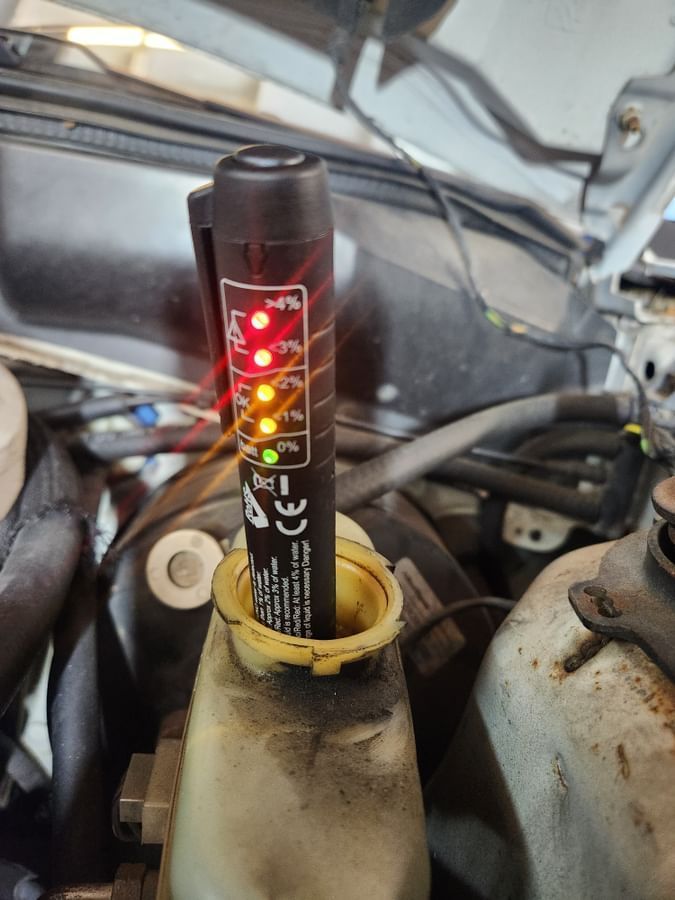
If no leak is found, the culprit may be old brake fluid. Brake fluid attracts moisture over time, which causes internal corrosion and decreases braking performance.

Pro tip: Flush your brake fluid every 60,000 miles, or as recommended in your owner's manual.


Grinding Noise or Vibration

A loud grinding noise or vibration in your brake pedal is a red flag. This usually means your brake pads have worn down completely, and the metal backing plate is now grinding against the rotor.

This not only kills your stopping power it creates extreme heat that can lead to tire fires.

What needs to be done:

  • Replace both brake pads and rotors.
  • Never do a “pad slap” (replacing pads only). It’s unsafe and can lead to premature failure.

A full front and rear brake job usually takes 3–4 hours and is recommended every 30,000 miles or 2 years, depending on driving style.


Squeaking Brakes

If your brakes are squeaking, there are three main causes:

  1. Wear indicators: These metal tabs are built into the pads and start to squeak around 2mm of pad life giving you a two-month warning before grinding starts.
  2. Poor-quality brake pads: Cheap imported pads often squeak and don’t guarantee stopping power.
  3. Dirty brake hardware: Dust and grime buildup can cause noise.


Brake Warning Lights

A red brake light on your dashboard is serious. It typically indicates:

  • Low brake fluid
  • A leak in the brake system
  • An electrical failure

What to do:

  1. Check your brake fluid level.
  2. Top it off with the manufacturer-specified fluid (DOT 3, DOT 4, or DOT 5).
  3. If the light turns off after topping off, you still need to find out where the fluid went. Fluid doesn’t just evaporate if it’s low, there’s a leak.

Some red brake lights are caused by electrical faults, which require scanning the brake system with professional tools not something your local parts store can typically help with.

If the light is on, play it safe and schedule a brake system diagnostic.


Stay Ahead of Brake Failures with Regular Maintenance

The best way to prevent brake failure is to stay on top of your vehicle's routine inspections. Any reputable shop will give you a full inspection report when you come in for service pay close attention to the technician’s notes on brake pad thickness, fluid condition, and warning lights.


Where to Get Brake Repairs in Burien, WA

At ABC Auto Repair in Burien, we specialize in premium-quality brake service using trusted components from Okebono, Power Stop, and NAPA Premium. Whether it’s a fluid flush, pad and rotor replacement, or full brake diagnostic, we’ve got you covered.

Search Blog

Recent Post
By Kirill Plyushko April 17, 2026
Multiple warning lights and loss of power? Learn why proper diagnostics matter. Honda CR-V repair in Burien, WA at ABC Auto Repair.
A mechanic in dark coveralls works on the engine of a white car with its hood open in a garage.
By Kirill Plyushko April 12, 2026
Subaru suspension problems explained. Worn control arm bushings and stabilizer links affect handling and safety. Burien auto repair experts.
By Kirill Plyushko April 12, 2026
Most drivers see an oil change as a quick task, something to check off a list and move on with their day. But sometimes, those “routine” visits are exactly when bigger issues quietly reveal themselves. That’s what happened when Helen brought her 2003 Ford Windstar into ABC Auto Repair. It Started as a Simple Visit Helen scheduled her appointment for something straightforward: a full synthetic oil change. But before we got started, she mentioned a concern she’d been living with for over a year. “After about ten minutes of driving, the ABS light would come on. And during hard stops, the van didn’t feel as stable as it should.” Those kinds of issues can be tricky. They don’t always show up right away. They come and go, and over time, drivers often adapt to them. Even when they shouldn’t have to. Looking Beyond the Oil Change Every vehicle that comes through our shop receives a full inspection, not just the service it was scheduled for. During Helen’s inspection, our Ford-certified technicians took a closer look at the suspension and braking-related components. What they found was play in the front right control arm and worn stabilizer bar links. These parts play a critical role in keeping a vehicle stable during braking, quick maneuvers, and emergency stops. When they wear out, the car may still “feel fine” most of the time until it doesn’t. Clear Information, No Pressure We completed the oil service as requested and documented the safety-related findings clearly and transparently. Helen was given the information she needed to understand what was happening with her vehicle and plan her next steps on her own timeline. No pressure. No guessing. That’s how it should be. Why This Matters Modern vehicles are good at masking problems. Warning lights don’t always come on immediately. Changes in braking or handling can be subtle at first. That’s why we believe an oil change should never be treated as just an oil change. It’s your regularly scheduled check-in with a professional mechanic. A chance to catch developing issues early, before they turn into safety risks or expensive repairs. Ask Yourself One Question If warning lights come on after you’ve been driving… If something feels off during braking or steering… If a concern keeps coming back but never seems urgent enough… Ask yourself: Who’s really looking at your vehicle? At ABC Auto Repair, we treat every visit as an opportunity to give you clear answers, honest information, and confidence in your vehicle. If you’re due for an oil change, or something just doesn’t feel right, we’re here located in Burien Washington when you’re ready. Schedule your appointment today!
Technician checking brake fluid level under the hood at ABC Auto Repair in Burien
By Kirill Plyushko March 14, 2025
Wondering when to replace or refill your brake fluid? Learn the warning signs and service intervals from the experts at ABC Auto Repair in Burien.
Close-up of sports car suspension system at ABC Auto Repair in Burien
By Kirill Plyushko February 28, 2025
Wondering why sports cars have stiff suspension? Learn how rigid suspension boosts speed, control, and cornering and how ABC Auto Repair in Burien can optimize your setup.